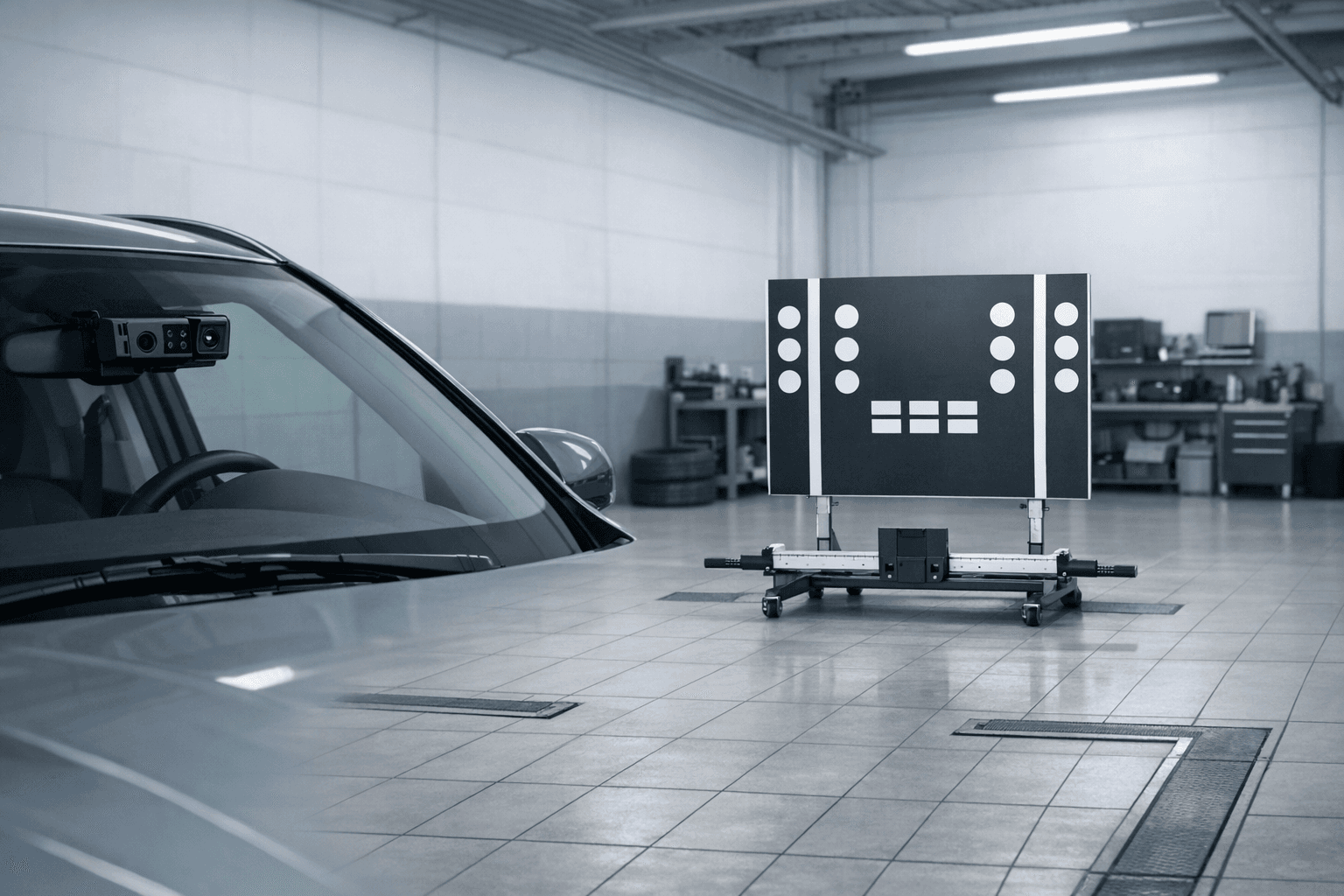
ADAS Calibration Risk in 2026: A Dealer + Insurer Checklist for Safer Repairs
As of 2026-02-12, advanced driver assistance systems (ADAS) are no longer niche. Federal regulators have finalized automatic emergency braking (AEB) performance standards for light vehicles, and pedestrian AEB performance keeps improving. That means more late-model inventory depends on cameras, radar, and software to prevent crashes.
The catch: ADAS performance is only as good as the last calibration. Windshield replacements, bumper repairs, alignments, and even suspension work can trigger calibration requirements. If you retail or insure a vehicle without verified calibration, you can inherit safety, liability, and reconditioning risk.
Trend Snapshot: AEB Standards Are Now a Baseline
FMVSS 127
Final Rule
NHTSA finalized a federal AEB standard requiring passenger vehicles and light trucks to include AEB and pedestrian AEB performance requirements.
2029
Full Compliance
The standard requires vehicles to meet higher-speed and nighttime pedestrian detection requirements by the compliance deadline.
PAEB Progress
0% → 60%
AAA testing shows nighttime pedestrian AEB avoidance improved from 0% in 2019 to 60% in 2025 — better, but not perfect.
Takeaway: AEB is becoming mandatory, but performance still depends on correct sensor alignment and calibration — especially in real-world nighttime conditions.
Actionable Checklist: Verify ADAS Calibration Before You Retail or Insure
-
Confirm ADAS equipment on the build sheet.
Identify camera, radar, and sensor packages so you know which calibrations are required.
-
Scan repair history for glass or collision work.
Windshield replacements, front-end work, or structural repairs should trigger calibration verification.
-
Request calibration documentation.
Look for OEM procedure references, scan-tool readouts, and before/after targets.
-
Verify technician qualification or shop certification.
AGRSS or OEM-trained technicians reduce liability on safety-critical systems.
-
Re-check for open recalls and software campaigns.
Open recall work can alter ADAS functionality and must be closed before delivery.
Decision Framework: Release, Verify, or Hold
Release
Documented calibration, no unresolved repair events, and clean recall status.
Verify
Recent glass or collision work without proof of calibration.
Hold
Missing documentation, open recalls, or sensor damage that needs inspection.
The goal is simple: if safety tech is part of the value story, calibration proof has to be part of the file.
Video Briefings
What This Means for VINSCRIBE Users
VINSCRIBE helps you pair ADAS calibration diligence with verified vehicle history:
- Surface prior collisions, glass claims, or structural repairs before retail.
- Confirm open recalls and safety campaigns that can alter ADAS performance.
- Document risk decisions for dealer, insurer, and lender stakeholders with a single report.
If a deal relies on safety tech, verify the calibration trail before you sign.