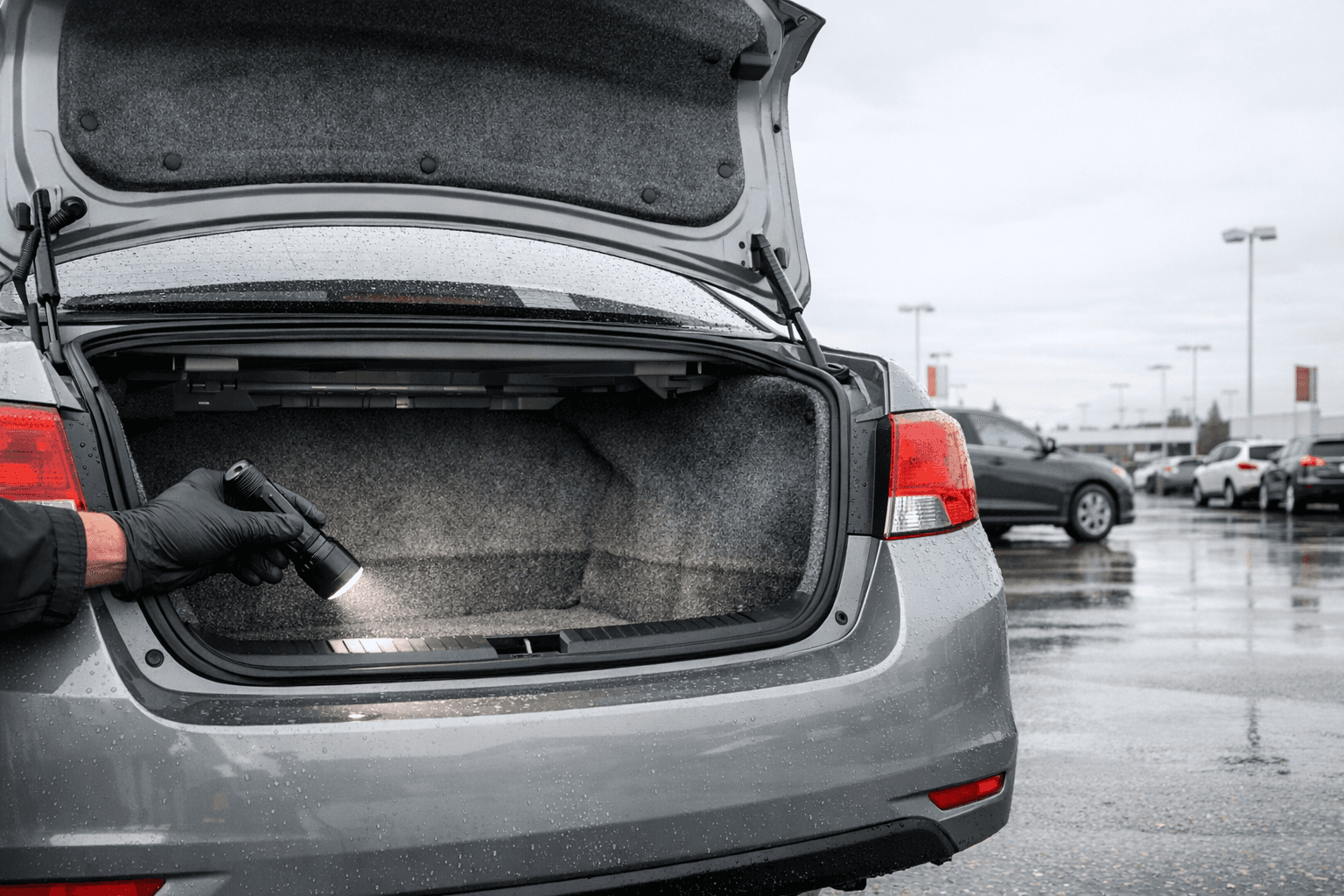
Flood-Damaged Used Cars in 2026: A Dealer & Buyer Playbook to Spot Title-Washed Vehicles
Flood-damaged vehicles are not just a coastal problem anymore. They are cleaned, transported, and relisted across the country, often with little or no disclosure. For dealers, lenders, and private buyers, that means a higher risk of buying inventory that looks clean but carries long-term electrical, safety, and resale problems.
This guide is built as a practical playbook: a market snapshot, a red-flag checklist, and a decision framework you can use at intake or before signing. The goal is simple: avoid buying a flood car, avoid title washing risk, and protect downstream customers. Pair it with our title-washing guide and the full vehicle history workflow if you are comparing a seller story against the actual record.
Market Snapshot: Why Flood Risk Is Rising Again
Used Market
Stabilizing
Wholesale pricing has been relatively flat recently, which keeps volume flowing and inventory moving.
Flooded Units
Hundreds of thousands
Large storm seasons continue to add significant numbers of flood-damaged vehicles to the market.
Title Risk
Title washing
Bad actors move vehicles across state lines to obtain clean titles.
When wholesale pricing is stable, the incentive to find "good deal" inventory increases. Flood vehicles can look like bargains at auction, but a single miss can erase margin through returns, warranty claims, reputational damage, or customer harm.
Why Flood Damage Is So Costly (Even When It Looks Clean)
- Electrical gremlins: Water intrusion causes intermittent faults that appear weeks or months later.
- Hidden corrosion: Rust develops behind panels, inside harnesses, and under carpet where you cannot see it.
- Safety system risk: Airbag sensors and driver assistance components are vulnerable to moisture and residue.
- Health concerns: Mold and mildew can persist even after deep cleaning.
- EV and hybrid hazards: High-voltage systems can be dangerous after water exposure.
The short version: flood exposure is rarely a single repair. It is a latent risk that follows the vehicle through resale.
Actionable Checklist: Spot the Flood Car Before You Buy
-
Smell test first.
Musty odors, heavy deodorizer, or ozone treatment are all red flags.
-
Pull back trunk and cabin carpet.
Look for silt, discoloration, or a faint horizontal waterline.
-
Check seatbelt retractors.
Pull belts fully out and inspect for grit or staining.
-
Inspect hidden metal fasteners.
Rust in places that should be clean is a key indicator.
-
Review title and brand history.
Verify flood or salvage branding, especially across state lines. Our rebuilt-title guide is a useful second read when the paperwork starts getting complicated.
-
Run a full vehicle history report.
Cross-check odometer, title events, and prior loss data before pricing.
Decision Framework for Dealers and Rebuilders
Step 1: Intake Triage
Flag any vehicle sourced from recent disaster regions or low-price channels. Require documentation before reconditioning.
Step 2: Evidence Review
Match history data to the physical inspection. If anything conflicts, pause the deal.
Step 3: Safety Assessment
Prioritize electrical diagnostics and sensor validation. Flooded electronics are non-negotiable risks.
Step 4: Price or Walk Away
If flood exposure is confirmed, reprice for parts or wholesale exit. Do not retail without disclosure.
This framework keeps the decision objective. It also protects your team from making an exception on a vehicle that will create downstream issues.
EVs and Hybrids: Extra Safety Steps After Flood Exposure
High-voltage systems require a stricter protocol. Even a shallow flood can create safety hazards.
- Do not charge or park a suspected flood-exposed EV inside a structure.
- Keep the vehicle away from buildings while awaiting inspection.
- Only an OEM or certified shop should evaluate battery integrity.
If your inventory includes EVs or hybrids, add a high-voltage inspection gate before any retail listing.
Watch: Spotting Flood Damage Fast
Use this quick overview to train intake teams or refresh your own inspection routine.
What This Means for VINSCRIBE Users
VINSCRIBE helps you reduce flood exposure and title-washing risk before money changes hands. A fast report puts critical signals front and center:
- Title branding and salvage indicators, including flood history when reported.
- Odometer and ownership changes that can signal suspicious transfers.
- Quick access to a clean, shareable report for reconditioning teams or buyers.
If a vehicle looks like a bargain but the history raises questions, that is your cue to renegotiate or walk away. Buyers who are still deciding between providers can also compare the economics on our Carfax alternative page.
Sources
Continue Your Research
Take the next step before you buy
These hand-picked pages turn broad article research into practical next actions, whether you are comparing report options, narrowing a model shortlist, or checking a real VIN.
Title-risk page
Review the Rebuilt Title Risk Guide
Use this landing page when title branding, prior damage, or salvage concerns are central to the buying decision.
History check
Understand the VINSCRIBE Vehicle History Check
See what a VINSCRIBE report is designed to surface before you commit to a listing or schedule an inspection.
SUV research
Toyota RAV4 Buying Guide
Compact-SUV research on stronger years, ownership risks, and the checks to make before you chase a premium-priced listing.