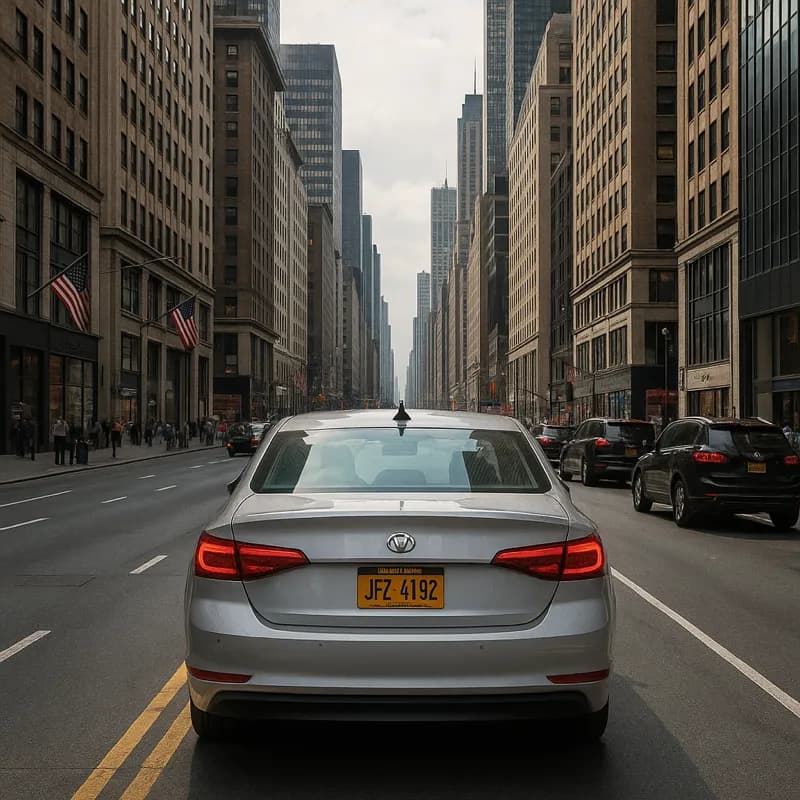
New York VIN Lookup: Complete Guide to Vehicle History in the Empire State
VIN Lookups in New York: What You Need to Know
New York's used car market is shaped by extremes—brutal winters in Buffalo, bumper-to-bumper traffic in Manhattan, and everything in between across the Hudson Valley, Long Island, and the Adirondacks. The state has some of the most rigorous vehicle inspection requirements in the country, which is both a benefit and something buyers need to understand. Whether you're buying in the five boroughs, the suburbs of Westchester, or upstate near Syracuse, a thorough VIN lookup is essential protection in a market where road salt, dense urban driving, and high vehicle turnover all take their toll.
What a VIN Lookup Reveals
A Vehicle Identification Number (VIN) is the unique 17-character code assigned to every vehicle built since 1981. A comprehensive VIN lookup searches national databases to uncover:
- Accident and damage history — collisions, structural damage, and airbag deployments reported to insurance companies and law enforcement.
- Title brands — salvage, flood, rebuilt, lemon, and other designations that signal serious past issues.
- Odometer readings over time — a mileage trail that helps detect rollback or tampering.
- Ownership and registration history — number of previous owners, registration locations, and how long each owner held the vehicle.
- Open recalls — unaddressed manufacturer safety recalls.
New York DMV Resources
The New York State Department of Motor Vehicles provides several resources that can supplement a VIN lookup:
- Title history search: For a fee, you can request a vehicle's title history within New York, including ownership changes and any title brands issued by the state.
- Lien status check: The DMV can confirm whether there are outstanding liens on a vehicle registered in New York.
- Salvage and rebuilt records: New York maintains records of vehicles issued salvage certificates and those that have passed rebuilt inspections.
These resources only cover New York records. They won't reveal accidents in New Jersey, a flood title from a southern state, or service records from out-of-state shops. VINSCRIBE's NMVTIS-certified reports provide nationwide coverage that fills these gaps.
Inspection and Emissions Requirements
New York has one of the more comprehensive vehicle inspection programs in the country:
- Annual safety inspection: All registered vehicles must pass a yearly safety inspection covering brakes, tires, lights, steering, suspension, exhaust, and more. This is conducted at licensed inspection stations.
- OBD-II emissions inspection: Vehicles model year 1996 and newer registered in the New York metropolitan area, the lower Hudson Valley, and several upstate counties must also pass an on-board diagnostics (OBD-II) emissions test as part of the annual inspection.
- Diesel emissions: Diesel vehicles are subject to a visual smoke opacity test rather than OBD-II testing.
- Exemptions: Vehicles model year 1995 and older in emissions-testing counties only need the safety portion. Electric vehicles are exempt from emissions testing.
New York's annual inspection provides some built-in protection for buyers, since a vehicle must pass inspection to be legally operated. However, inspections only cover current condition—they don't reveal past accidents, flood damage, or title issues.
Key New York Title Laws
- Salvage threshold: A vehicle is issued a salvage certificate when the insurance company determines the cost of repair exceeds 75% of its pre-damage retail value.
- Rebuilt title: A salvage vehicle can receive a "Rebuilt Salvage" title after passing a DMV salvage inspection that verifies all parts are properly sourced and the vehicle is roadworthy.
- Flood disclosure: New York requires disclosure of flood damage, and vehicles with water damage affecting major components should carry a branded title.
- Title transfer: Buyers must apply for a title transfer within 10 days of purchase. New York charges a 4% state sales tax plus additional local taxes (varying by county, up to 4.5% additional).
- Lemon Law protection: New York's lemon law covers new vehicles and used vehicles purchased from dealers (with certain mileage and age limits). Used car lemon law protections require dealers to provide a written warranty.
New York-Specific Risks and Common Issues
New York's harsh winters, dense urban environments, and location as a major import hub create a distinct set of vehicle risks that buyers need to account for.
Climate and Environmental Risks
- Road salt corrosion: This is the single biggest vehicle threat in New York. Municipalities spread millions of tons of road salt each winter, and the resulting corrosion attacks brake lines, fuel lines, subframes, and body panels. Rust damage can compromise structural integrity and create serious safety hazards, especially on vehicles more than 5–7 years old.
- Pothole and rough road damage: New York roads, particularly in the city and upstate regions, are notorious for potholes after freeze-thaw cycles. Bent wheels, damaged suspension components, and misaligned frames are common results.
- Freeze-thaw cycling: Repeated freezing and thawing stresses seals, gaskets, and rubber components. It can also cause paint chipping and accelerate the corrosion process.
- Coastal exposure (Long Island and NYC): Vehicles in coastal areas face salt air corrosion year-round, compounding the road salt problem in winter.
- Urban driving wear: City vehicles in the five boroughs endure constant stop-and-go driving, parking dings, and minor collisions that may go unreported. High-mileage taxis and rideshare vehicles frequently enter the used market.
Common Scams and Red Flags
- Concealed rust: Some sellers apply undercoating, body filler, or fresh paint to hide significant rust damage. If a vehicle looks suspiciously clean underneath for its age and New York history, investigate further.
- Title washing from other states: Vehicles with salvage or flood brands may be moved to and from neighboring states (New Jersey, Connecticut, Pennsylvania) to launder their title history.
- Former fleet and rideshare vehicles: New York has a massive taxi, Uber, and Lyft market. These vehicles accumulate high stress miles quickly and may be sold with rolled-back odometers or obscured commercial use history.
- Curbstoning: Unlicensed dealers selling from residential addresses or parking lots without proper dealer licenses, especially common in the NYC metro area.
Regional Variations Within New York
- New York City (5 boroughs): Dense urban driving, parking damage, former taxi/rideshare risk, and limited garage parking meaning year-round weather exposure.
- Long Island: Coastal salt air plus road salt in winter creates a double corrosion threat. Many commuter vehicles with high highway miles.
- Hudson Valley and Westchester: Suburban mix of highway and local driving. Hilly terrain means more brake wear.
- Upstate (Syracuse, Buffalo, Rochester, Albany): Among the heaviest snowfall regions in the eastern US. Extreme road salt use and harsh winters make rust the dominant concern.
- Adirondacks and rural areas: Rough roads, long distances, off-road use for hunting and recreation, and deferred maintenance due to limited shop access.
Buying a Used Car in New York: Practical Guide
New York's annual inspection requirement provides some baseline protection, but it only tells you about the vehicle's current condition—not its history. Combining a pre-purchase inspection with a thorough VIN report is the smart approach.
Pre-Purchase Checklist
- Run a VINSCRIBE report before visiting the vehicle to check for accidents, title brands, and mileage history.
- Verify the vehicle has a current New York State inspection sticker. If it doesn't, the seller should be willing to have it inspected before sale.
- Check for open recalls through the NHTSA database.
- Budget for New York's sales tax (4% state plus up to 4.5% local, varying by county) plus title and registration fees.
Inspection Tips for New York Vehicles
- Inspect the undercarriage thoroughly: This is the most critical step for any New York vehicle. Look for rust on the frame, subframe, brake lines, fuel lines, and exhaust. Surface rust is normal, but scaling, flaking, or perforated metal is a serious concern.
- Check wheel wells and rocker panels: These areas trap salt and moisture and are often the first places where structural rust appears.
- Look for body filler and fresh undercoating: These can be used to mask rust. A magnet won't stick to body filler, and freshly applied undercoating on an older vehicle is suspicious.
- Test the suspension: Pothole damage is common. Listen for clunks, check for uneven tire wear, and verify the vehicle tracks straight.
- Verify the inspection history: Ask for records of past inspections. A vehicle that has bounced between multiple inspection stations may have had difficulty passing.
Title Transfer Process
- Obtain the signed title (or transferable registration if the title was issued electronically) and bill of sale from the seller.
- Complete Form MV-82 (Vehicle Registration/Title Application).
- Provide proof of insurance (New York requires liability, PIP, and uninsured/underinsured motorist coverage).
- Submit all documents and payment to the DMV within 10 days of purchase. Sales tax is collected at the time of registration.
- For out-of-state vehicles, you may need a VIN verification and the vehicle must pass New York safety and emissions inspection.
New York DMV vs. VINSCRIBE
| Feature | New York DMV | VINSCRIBE |
|---|---|---|
| Geographic Coverage | New York only | Nationwide (all 50 states via NMVTIS) |
| Accident History | Limited to NY-reported incidents | Comprehensive accident history across all states |
| Title Brand History | New York title brands only | Full title brand history from all states |
| Service Records | Not included | Includes records from participating service facilities |
| AI Analysis | None | AI-powered risk assessment and plain-language analysis |
| Recall Information | Not included | Active recall data with completion status |
Table can be scrolled horizontally on mobile devices.
See VINSCRIBE in Action
Watch these demos to see how VINSCRIBE helps New York buyers uncover hidden vehicle history, understand risk factors, and make smart purchasing decisions: