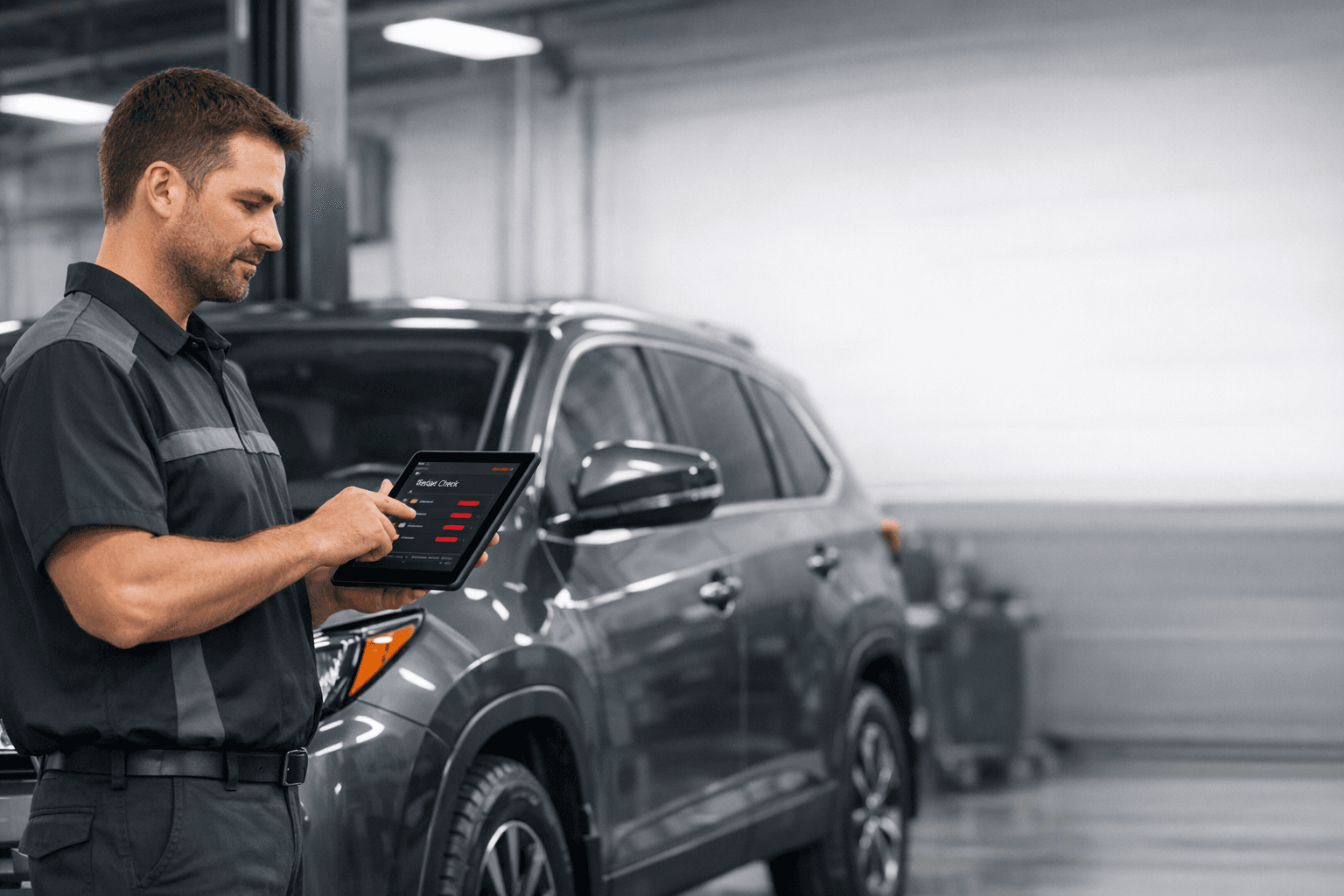
Software Recalls & OTA Fixes in 2026: A Dealer Playbook for Clearing Open Recalls Before You Retail
As of 2026-02-06, recall volume remains high and software-driven fixes are a growing part of modern vehicle safety. That is good news for speed, but it also adds verification work for dealers, rebuilders, and private sellers. The risk is no longer just an open recall. It is also a missing or incomplete software remedy that never made it onto the vehicle.
This playbook shows how to validate recall status, confirm fixes (including over-the-air remedies), and document readiness before a vehicle hits your lot or marketplace listing.
Market Snapshot: Why Recall Checks Are a 2026 Priority
2024 Recalls
1,073 campaigns
NHTSA reported more than 1,000 recalls across vehicles and equipment.
Vehicles & Equipment
35M+
Total vehicles and equipment recalled in 2024.
Vehicles Recalled
29.3M
Vehicles recalled in 2024, before equipment totals.
Those numbers translate into real inventory risk. Any open recall can delay a sale, trigger customer concerns, or create legal exposure if a known safety fix was never completed. Recall repairs are free, but only if you actually schedule and document them.
What Makes Software Recalls Different
- Remedies can be remote: Some recalls are resolved via software updates delivered over-the-air.
- Versioning matters: The fix may require a specific software version, not just a general update.
- Documentation can lag: Dealer systems, auction listings, and consumer tools may update at different speeds.
- Partial fixes happen: Certain trims or hardware revisions can require a different remedy path.
Your process has to verify both the recall status and the remedy completion. That is the only way to ensure a vehicle is retail-ready.
Actionable Checklist: Clear Recalls Before You Retail
-
Run an NHTSA recall lookup by VIN or plate.
Start with the official recall database and confirm whether the vehicle has any open safety recalls.
-
Pull the OEM recall bulletin.
Capture the campaign ID, remedy description, and any required software version.
-
Confirm remedy status.
Get a dealer repair order, OTA completion confirmation, or manufacturer portal status.
-
Document proof for the deal jacket.
Attach the recall clearance documentation so sales, finance, and buyers can verify quickly.
-
Re-check before delivery.
Recalls can be issued mid-transaction. Run a final check before the vehicle leaves.
Decision Framework: Retail-Ready Gate
Gate 1: Open Recall?
If yes, pause the listing and schedule the free remedy with the OEM.
Gate 2: Remedy Proof?
If no documentation exists, request dealer confirmation or OEM portal status.
Gate 3: OTA Version Verified?
For software recalls, confirm the exact software version or OTA completion date.
Gate 4: Buyer Disclosure
Provide the recall clearance in writing to protect the customer and your store.
This gate keeps recall risks from bleeding into delivery day. It also speeds up F&I by reducing last-minute objections.
How to Validate OTA Fixes
Some recalls are remedied through software updates delivered over-the-air. In those cases, you still need proof of completion.
- Request an OEM portal status screenshot or service summary.
- Verify the software version listed in the recall notice matches the vehicle.
- When possible, capture an on-screen software version photo for your records.
If you cannot confirm the update, treat the vehicle like an open-recall unit and pause the listing until verified.
Watch: Quick Recall Check Tips
Use these short videos as part of intake training or customer education.
What This Means for VINSCRIBE Users
VINSCRIBE helps you package recall clearance with the rest of a vehicle's history so buyers and managers can act quickly:
- Fast recall visibility alongside title brands, ownership changes, and prior loss events.
- Clean documentation you can share with lenders, customers, and compliance teams.
- AI-driven context that highlights risk patterns before you set pricing.
If a vehicle has open recalls or incomplete software remedies, VINSCRIBE gives you the signal to pause, verify, and protect your margin.