Hyundai Elantra VIN ReportWhat To Check Before You Buy
The Hyundai Elantra often looks compelling because it offers fresh styling and generous features for the price, especially in newer generations. Buyers should still approach used examples with a clear eye for engine history, theft-related exposure on older cars, and maintenance consistency.
Best For
Best for shoppers who want a compact sedan with strong feature content and a lower buy-in than some Japanese rivals.
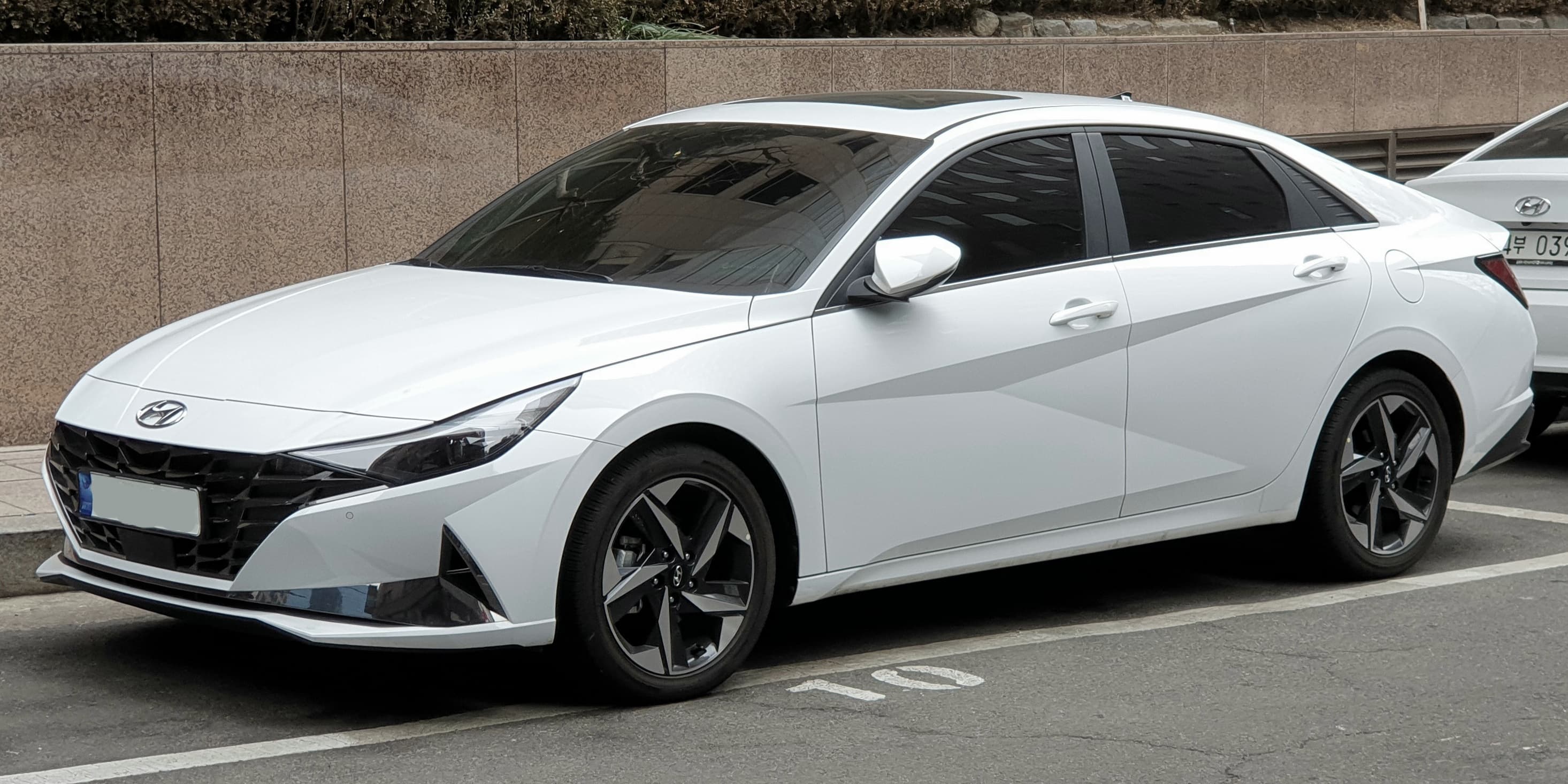
Compact Sedan
Hyundai Elantra
Used-Market Range
$7,000 - $29,000
Reliability
7.3/ 10
What To Know
What to know about the Hyundai Elantra
The goal here is not just finding one you like. It is finding one with the right condition, the right history, and the right ownership story.
Where it stands out
Why this model keeps showing up on buyer shortlists.
- Attractive value for the money
- Good feature content in many trims
- Efficient daily-driver manners
Where buyers get burned
These are the patterns worth slowing down for.
- Use engine knock concerns on some older 2.0l models as a negotiation point only after you know whether the problem is minor upkeep or the start of a larger repair bill.
- Use paint and clearcoat wear on sun-exposed cars as a negotiation point only after you know whether the problem is minor upkeep or the start of a larger repair bill.
- Electrical annoyances are rarely isolated, so verify every screen, camera, and steering-wheel control while the vehicle is warm.
Year Guidance
Best years and years to be careful with
Best years to target
2021-2024
The newest generation feels modern and often delivers the best overall package.
2019-2020
Late previous-generation cars can be sensible value buys when history is clean.
Years that need extra caution
2011-2016
Older cars deserve closer engine and theft-risk review before purchase.
Trouble Spots
Common trouble spots
Engine knock concerns on some older 2.0L models
Treat this as a targeted inspection point and ask for proof that the seller addressed it instead of simply clearing warnings or masking symptoms.
Paint and clearcoat wear on sun-exposed cars
Treat this as a targeted inspection point and ask for proof that the seller addressed it instead of simply clearing warnings or masking symptoms.
Infotainment screen glitches on some newer trims
Cycle every screen, camera, and phone connection to confirm the issue is not being hidden behind a fresh restart.
What to inspect before you buy
- Ask specifically how the seller has addressed engine knock concerns on some older 2.0l models and look for receipts that match the explanation.
- Ask specifically how the seller has addressed paint and clearcoat wear on sun-exposed cars and look for receipts that match the explanation.
- Cycle every infotainment screen, backup camera, Bluetooth feature, and USB connection before the drive ends.
- Review service records for consistent oil changes, scheduled fluid service, and recall completion.
- Check the body gaps, paint consistency, and glass date codes for clues about prior collision repairs.
- Inspect tire wear, brake condition, and suspension noise because these often reveal how carefully the vehicle was maintained.
Ownership snapshot
Used-market range
$7,000 - $29,000
Reliability score
7.3 / 10
- A low sticker price does not offset risk from poor engine care or incomplete recall history.
- Insurance, theft exposure, and security updates matter more on some older Hyundais than buyers expect.
- Later documented cars are usually the safer play than the absolute cheapest listing.
Why a VIN report matters for this model
- Title brands, salvage history, and insurance-total-loss records that materially change value.
- Mileage consistency and registration gaps that can point to hidden downtime or odometer questions.
- Prior accident records that deserve closer body, alignment, and airbag inspection.
- Ownership patterns that suggest rental, rideshare, or unusually hard family-duty use.
FAQ
Frequently asked questions
Is the Hyundai Elantra a smart used buy?
The Hyundai Elantra often looks compelling because it offers fresh styling and generous features for the price, especially in newer generations. Buyers should still approach used examples with a clear eye for engine history, theft-related exposure on older cars, and maintenance consistency. For the right buyer, it is strongest when the vehicle history, service records, and condition line up with the asking price.
Which Hyundai Elantra years are usually the safest bets?
Start with 2021-2024 and 2019-2020. Use extra caution around 2011-2016 unless inspection results and maintenance records are unusually strong.
What should a VIN report confirm before buying a Hyundai Elantra?
Title brands, salvage history, and insurance-total-loss records that materially change value. Mileage consistency and registration gaps that can point to hidden downtime or odometer questions. Prior accident records that deserve closer body, alignment, and airbag inspection. Ownership patterns that suggest rental, rideshare, or unusually hard family-duty use. That history context helps you decide whether the listing is a clean buy or just a clean-looking one.
Ready To Check It
Ready to check your Hyundai Elantra?
Run the VIN before you negotiate so you know whether the story in the listing matches the story in the records.