Tesla Model 3 VIN ReportWhat To Check Before You Buy
The Tesla Model 3 can be a compelling used EV because it offers strong efficiency, quick performance, and easy charging access in many markets. Buyers should treat it like a used technology product as much as a used car by looking carefully at battery warranty status, repair quality, and software-related service history.
Best For
Best for buyers ready for EV ownership who want strong efficiency, modern tech, and access to Tesla's charging ecosystem.
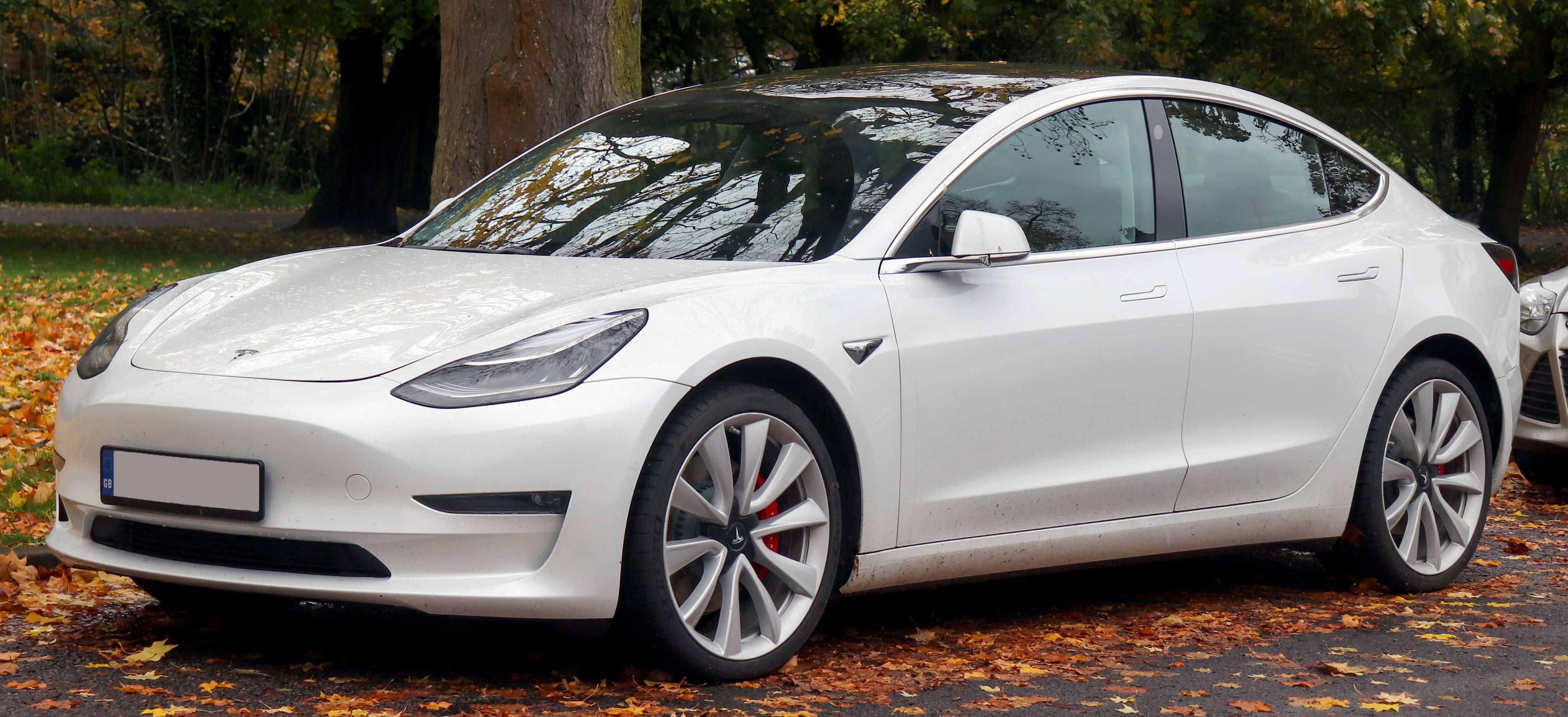
Electric Sedan
Tesla Model 3
Used-Market Range
$18,000 - $44,000
Reliability
7.6/ 10
What To Know
What to know about the Tesla Model 3
The goal here is not just finding one you like. It is finding one with the right condition, the right history, and the right ownership story.
Where it stands out
Why this model keeps showing up on buyer shortlists.
- Strong EV efficiency and performance
- Access to Tesla charging network
- Modern cabin and software-driven ownership experience
Where buyers get burned
These are the patterns worth slowing down for.
- Use suspension noise from upper control arms on some cars as a negotiation point only after you know whether the problem is minor upkeep or the start of a larger repair bill.
- Use paint and trim alignment complaints on some early builds as a negotiation point only after you know whether the problem is minor upkeep or the start of a larger repair bill.
- A weak battery or hybrid-system warning can turn an efficient daily driver into an expensive catch-up project.
Year Guidance
Best years and years to be careful with
Best years to target
2021-2024
Later cars are generally better assembled and benefit from ongoing refinement.
2019-2020 Long Range examples
These can be appealing values if battery health and repair history are clean.
Years that need extra caution
2018 early production cars
Early builds deserve extra scrutiny for fit-and-finish, suspension noise, and repair history.
Trouble Spots
Common trouble spots
Suspension noise from upper control arms on some cars
Listen for noise on broken pavement and look for uneven tire wear that can signal deferred chassis work.
Paint and trim alignment complaints on some early builds
Treat this as a targeted inspection point and ask for proof that the seller addressed it instead of simply clearing warnings or masking symptoms.
12V battery or low-voltage system service alerts
Battery age, warning lights, and consistent charging or hybrid-system behavior should all be verified before you buy.
What to inspect before you buy
- Ask specifically how the seller has addressed suspension noise from upper control arms on some cars and look for receipts that match the explanation.
- Ask specifically how the seller has addressed paint and trim alignment complaints on some early builds and look for receipts that match the explanation.
- Scan for battery or charging-system warnings and ask for any battery-health or hybrid-service documentation.
- Review service records for consistent oil changes, scheduled fluid service, and recall completion.
- Check the body gaps, paint consistency, and glass date codes for clues about prior collision repairs.
- Inspect tire wear, brake condition, and suspension noise because these often reveal how carefully the vehicle was maintained.
Ownership snapshot
Used-market range
$18,000 - $44,000
Reliability score
7.6 / 10
- Tire wear, insurance cost, and body-repair expense matter more than routine maintenance on a Model 3.
- Battery and drive-unit warranty context should be part of the purchase decision, not an afterthought.
- A clean history is critical because EV shoppers can be very sensitive to prior collision or structural repairs.
Why a VIN report matters for this model
- Title brands, salvage history, and insurance-total-loss records that materially change value.
- Mileage consistency and registration gaps that can point to hidden downtime or odometer questions.
- Prior accident records that deserve closer body, alignment, and airbag inspection.
- Collision history that could affect battery-pack safety, structural repairs, or future EV resale.
FAQ
Frequently asked questions
Is the Tesla Model 3 a smart used buy?
The Tesla Model 3 can be a compelling used EV because it offers strong efficiency, quick performance, and easy charging access in many markets. Buyers should treat it like a used technology product as much as a used car by looking carefully at battery warranty status, repair quality, and software-related service history. For the right buyer, it is strongest when the vehicle history, service records, and condition line up with the asking price.
Which Tesla Model 3 years are usually the safest bets?
Start with 2021-2024 and 2019-2020 Long Range examples. Use extra caution around 2018 early production cars unless inspection results and maintenance records are unusually strong.
What should a VIN report confirm before buying a Tesla Model 3?
Title brands, salvage history, and insurance-total-loss records that materially change value. Mileage consistency and registration gaps that can point to hidden downtime or odometer questions. Prior accident records that deserve closer body, alignment, and airbag inspection. Collision history that could affect battery-pack safety, structural repairs, or future EV resale. That history context helps you decide whether the listing is a clean buy or just a clean-looking one.
Ready To Check It
Ready to check your Tesla Model 3?
Run the VIN before you negotiate so you know whether the story in the listing matches the story in the records.