Toyota RAV4 VIN ReportWhat To Check Before You Buy
The Toyota RAV4 is a practical compact SUV that tends to age well when it has been serviced consistently and kept away from major collision history. It is one of the easiest vehicles to recommend, but demand is high enough that some average examples are priced like premium ones.
Best For
Best for shoppers who want an efficient, easy-to-live-with compact SUV for commuting, family errands, and road trips.
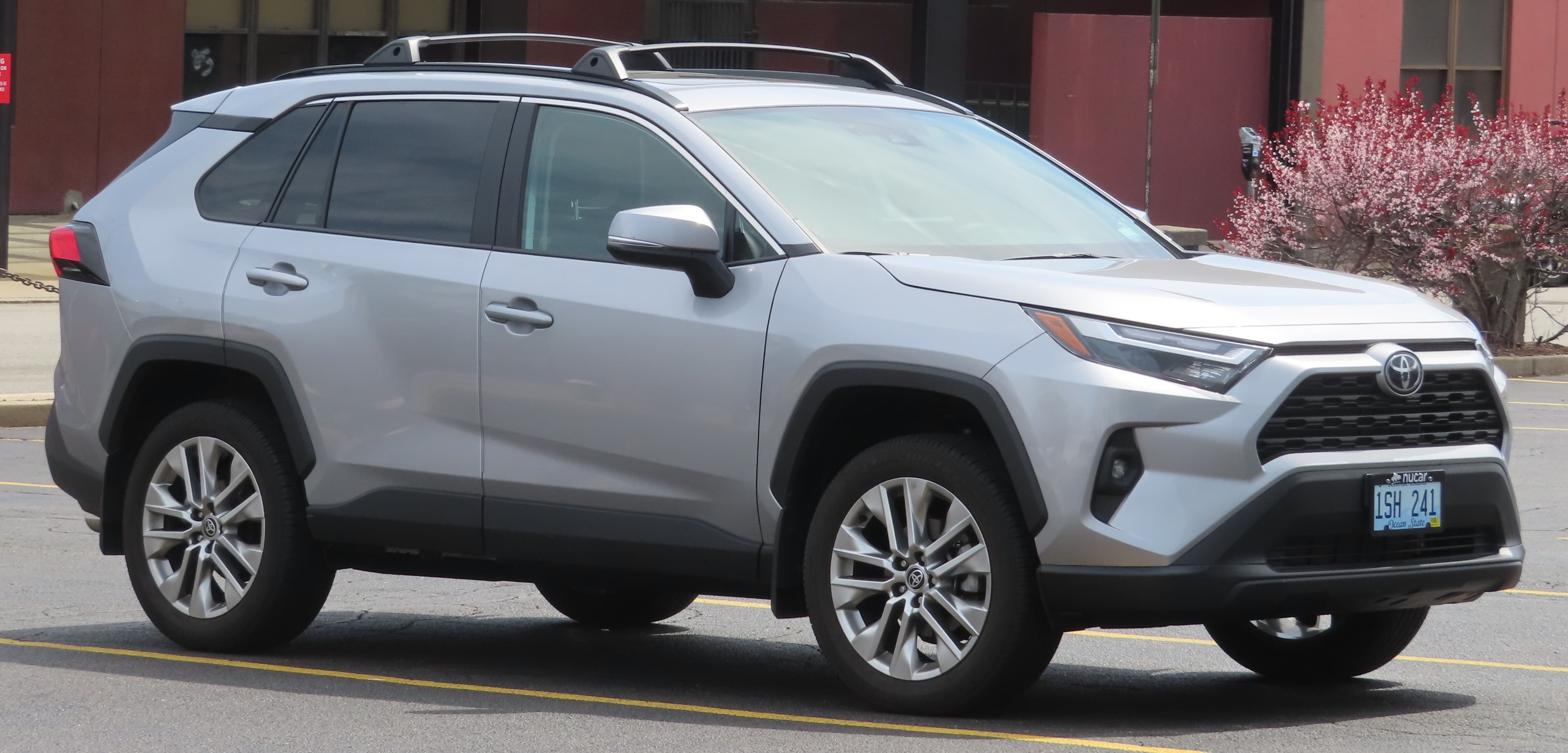
Compact SUV
Toyota RAV4
Used-Market Range
$9,000 - $42,000
Reliability
8.8/ 10
What To Know
What to know about the Toyota RAV4
The goal here is not just finding one you like. It is finding one with the right condition, the right history, and the right ownership story.
Where it stands out
Why this model keeps showing up on buyer shortlists.
- Strong reliability and resale
- Good fuel economy across most trims
- Practical cargo space and easy visibility
Where buyers get burned
These are the patterns worth slowing down for.
- Use oil consumption on some 2013-2016 models as a negotiation point only after you know whether the problem is minor upkeep or the start of a larger repair bill.
- Any hesitation, shudder, or delayed engagement on the test drive deserves follow-up before money changes hands.
- Use rear suspension noise on some newer vehicles as a negotiation point only after you know whether the problem is minor upkeep or the start of a larger repair bill.
Year Guidance
Best years and years to be careful with
Best years to target
2019-2024
The latest generation brings better safety tech, better packaging, and strong hybrid options.
2016-2018
Late prior-generation examples are usually dependable and widely available.
Years that need extra caution
2013-2015
These years deserve closer checks for oil-consumption complaints and general compact-SUV wear.
Trouble Spots
Common trouble spots
Oil consumption on some 2013-2016 models
Look for service records, visible seepage, low-oil habits, and any signs the seller has been topping it off instead of fixing the root cause.
Transmission hesitation on some mid-2010s examples
Confirm smooth cold-start shifts, review fluid-service history, and pay attention to any hesitation or shudder during the test drive.
Rear suspension noise on some newer vehicles
Listen for noise on broken pavement and look for uneven tire wear that can signal deferred chassis work.
What to inspect before you buy
- Check for active leaks, recent degreasing, and any signs the engine has been run low on oil between services.
- Take a long test drive from cold start through highway speed and watch for flare, shudder, or delayed shifts.
- Ask specifically how the seller has addressed rear suspension noise on some newer vehicles and look for receipts that match the explanation.
- Review service records for consistent oil changes, scheduled fluid service, and recall completion.
- Check the body gaps, paint consistency, and glass date codes for clues about prior collision repairs.
- Inspect tire wear, brake condition, and suspension noise because these often reveal how carefully the vehicle was maintained.
Ownership snapshot
Used-market range
$9,000 - $42,000
Reliability score
8.8 / 10
- Running costs are usually low outside of tires, brakes, and neglected fluid service.
- Hybrid RAV4s can justify their price premium if battery and maintenance records are clear.
- Clean-history examples sell quickly, so accident history can create false bargains.
Why a VIN report matters for this model
- Title brands, salvage history, and insurance-total-loss records that materially change value.
- Mileage consistency and registration gaps that can point to hidden downtime or odometer questions.
- Prior accident records that deserve closer body, alignment, and airbag inspection.
- Ownership patterns that suggest rental, rideshare, or unusually hard family-duty use.
FAQ
Frequently asked questions
Is the Toyota RAV4 a smart used buy?
The Toyota RAV4 is a practical compact SUV that tends to age well when it has been serviced consistently and kept away from major collision history. It is one of the easiest vehicles to recommend, but demand is high enough that some average examples are priced like premium ones. For the right buyer, it is strongest when the vehicle history, service records, and condition line up with the asking price.
Which Toyota RAV4 years are usually the safest bets?
Start with 2019-2024 and 2016-2018. Use extra caution around 2013-2015 unless inspection results and maintenance records are unusually strong.
What should a VIN report confirm before buying a Toyota RAV4?
Title brands, salvage history, and insurance-total-loss records that materially change value. Mileage consistency and registration gaps that can point to hidden downtime or odometer questions. Prior accident records that deserve closer body, alignment, and airbag inspection. Ownership patterns that suggest rental, rideshare, or unusually hard family-duty use. That history context helps you decide whether the listing is a clean buy or just a clean-looking one.
Related Buying Guide
Broaden the research before you check a specific Toyota RAV4
If this model is still on your shortlist, step back into the year-by-year view first. It is the fastest way to compare ownership patterns, weak years, and the issues worth prioritizing once you run the VIN.
Toyota RAV4 Buying Guide
Compare the strongest years and common ownership risks before you pay compact-SUV market pricing.
Ready To Check It
Ready to check your Toyota RAV4?
Run the VIN before you negotiate so you know whether the story in the listing matches the story in the records.