Toyota Sienna VIN ReportWhat To Check Before You Buy
The Toyota Sienna is one of the strongest family-vehicle buys on the used market because it blends minivan practicality with Toyota durability and, in newer versions, excellent hybrid efficiency. The real separator is how hard the van was used and whether power doors, interior systems, and service history still support the asking price.
Best For
Best for families who want maximum passenger flexibility, sliding-door convenience, and predictable long-term ownership.
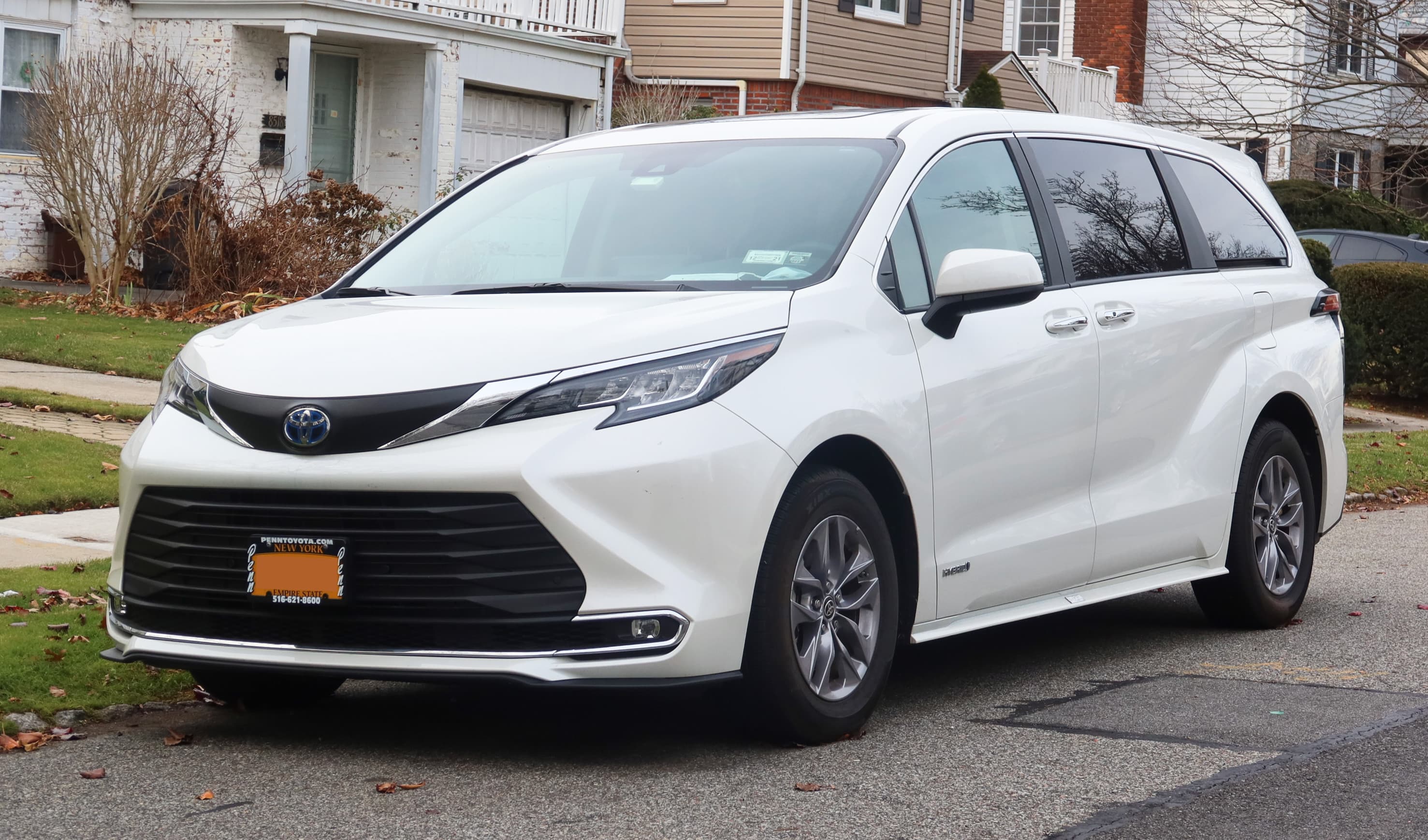
Minivan
Toyota Sienna
Used-Market Range
$11,000 - $54,000
Reliability
8.7/ 10
What To Know
What to know about the Toyota Sienna
The goal here is not just finding one you like. It is finding one with the right condition, the right history, and the right ownership story.
Where it stands out
Why this model keeps showing up on buyer shortlists.
- Excellent family practicality
- Strong reliability reputation
- Very good efficiency on newer hybrid models
Where buyers get burned
These are the patterns worth slowing down for.
- Use sliding door cable or motor wear on older vans as a negotiation point only after you know whether the problem is minor upkeep or the start of a larger repair bill.
- Use power liftgate strut and sensor glitches as a negotiation point only after you know whether the problem is minor upkeep or the start of a larger repair bill.
- A weak battery or hybrid-system warning can turn an efficient daily driver into an expensive catch-up project.
Year Guidance
Best years and years to be careful with
Best years to target
2021-2025
The hybrid-only generation offers outstanding efficiency and modern family features.
2017-2020
Late V6 vans are mature, practical, and easier to buy without first-year concerns.
Years that need extra caution
2011-2014
Older vans deserve more caution for power-door wear, interior aging, and family-duty abuse.
Trouble Spots
Common trouble spots
Sliding door cable or motor wear on older vans
Treat this as a targeted inspection point and ask for proof that the seller addressed it instead of simply clearing warnings or masking symptoms.
Power liftgate strut and sensor glitches
Treat this as a targeted inspection point and ask for proof that the seller addressed it instead of simply clearing warnings or masking symptoms.
Hybrid battery cooling fan dust buildup on some newer models
Battery age, warning lights, and consistent charging or hybrid-system behavior should all be verified before you buy.
What to inspect before you buy
- Ask specifically how the seller has addressed sliding door cable or motor wear on older vans and look for receipts that match the explanation.
- Ask specifically how the seller has addressed power liftgate strut and sensor glitches and look for receipts that match the explanation.
- Scan for battery or charging-system warnings and ask for any battery-health or hybrid-service documentation.
- Review service records for consistent oil changes, scheduled fluid service, and recall completion.
- Check the body gaps, paint consistency, and glass date codes for clues about prior collision repairs.
- Inspect tire wear, brake condition, and suspension noise because these often reveal how carefully the vehicle was maintained.
Ownership snapshot
Used-market range
$11,000 - $54,000
Reliability score
8.7 / 10
- Interior condition matters because family vans hide wear in seat tracks, sliding doors, and cargo trim.
- A higher asking price can still be fair if the van is clean, quiet, and backed by strong service records.
- Hybrid models can be excellent buys when battery and cooling-system upkeep look normal.
Why a VIN report matters for this model
- Title brands, salvage history, and insurance-total-loss records that materially change value.
- Mileage consistency and registration gaps that can point to hidden downtime or odometer questions.
- Prior accident records that deserve closer body, alignment, and airbag inspection.
- Ownership patterns that suggest rental, rideshare, or unusually hard family-duty use.
FAQ
Frequently asked questions
Is the Toyota Sienna a smart used buy?
The Toyota Sienna is one of the strongest family-vehicle buys on the used market because it blends minivan practicality with Toyota durability and, in newer versions, excellent hybrid efficiency. The real separator is how hard the van was used and whether power doors, interior systems, and service history still support the asking price. For the right buyer, it is strongest when the vehicle history, service records, and condition line up with the asking price.
Which Toyota Sienna years are usually the safest bets?
Start with 2021-2025 and 2017-2020. Use extra caution around 2011-2014 unless inspection results and maintenance records are unusually strong.
What should a VIN report confirm before buying a Toyota Sienna?
Title brands, salvage history, and insurance-total-loss records that materially change value. Mileage consistency and registration gaps that can point to hidden downtime or odometer questions. Prior accident records that deserve closer body, alignment, and airbag inspection. Ownership patterns that suggest rental, rideshare, or unusually hard family-duty use. That history context helps you decide whether the listing is a clean buy or just a clean-looking one.
Ready To Check It
Ready to check your Toyota Sienna?
Run the VIN before you negotiate so you know whether the story in the listing matches the story in the records.