Nevada VIN Lookup: Complete Guide to Vehicle History in the Silver State
VIN Lookups in Nevada: What You Need to Know
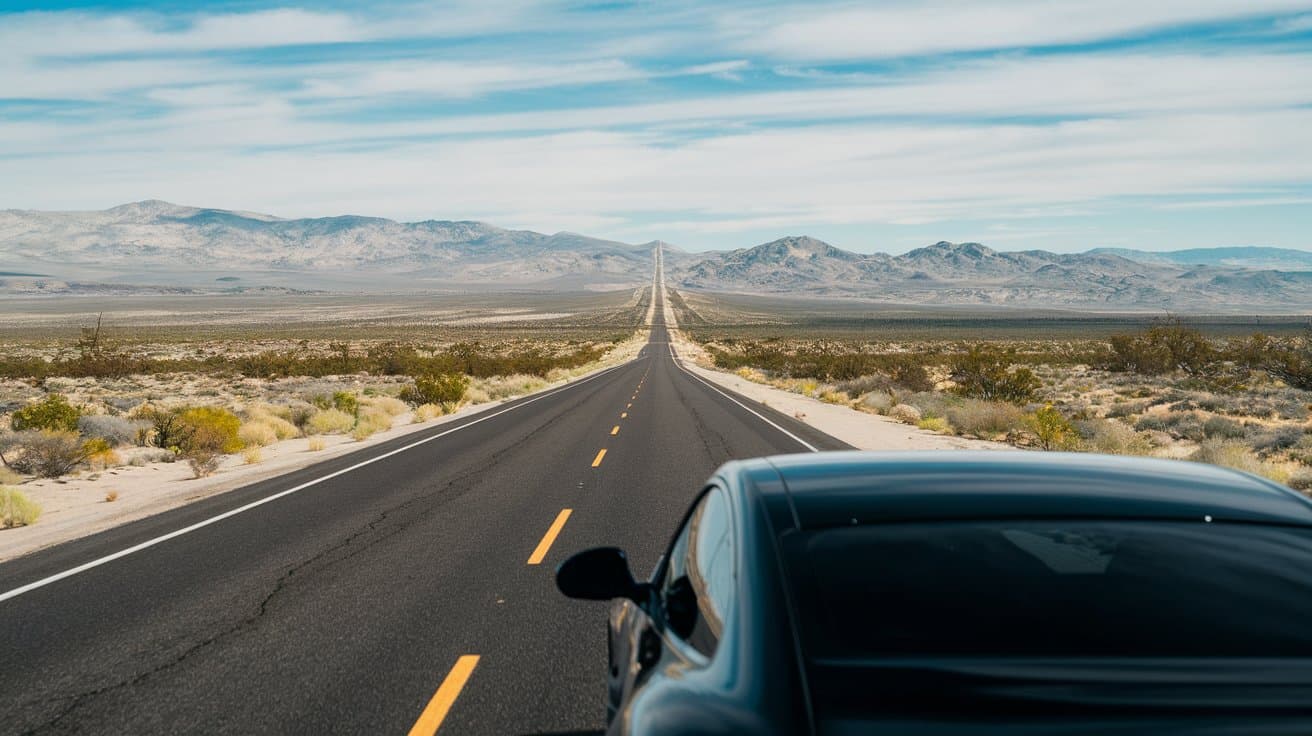
From the neon-lit Las Vegas Strip to the vast emptiness of the Great Basin Desert and the alpine peaks near Lake Tahoe, Nevada's extremes define its driving conditions. Vehicles in the Silver State endure punishing desert heat that regularly exceeds 115°F in summer, intense UV radiation that degrades paint and interiors, sand and dust that infiltrate mechanical systems, and flash floods that sweep through desert washes without warning. Nevada's enormous tourism industry also floods the used car market with former rental fleet vehicles from Las Vegas. The state does not require safety inspections, and emissions testing is limited to Clark County (Las Vegas) and Washoe County (Reno). All of this makes a thorough VIN lookup essential before buying a used car in Nevada.
What a VIN Lookup Reveals
A Vehicle Identification Number (VIN) is the unique 17-character code assigned to every vehicle built since 1981. A comprehensive VIN lookup pulls data from national databases to uncover:
- Accident and damage history — collisions, structural damage, and airbag deployments reported to insurance companies and law enforcement.
- Title brands — salvage, flood, rebuilt, and other designations that signal major past issues.
- Odometer readings over time — a mileage trail that helps detect rollback or tampering.
- Ownership and registration history — how many owners, where the vehicle was registered, and how long each owner kept it.
- Open recalls — manufacturer safety recalls that haven't been addressed.
Nevada Department of Motor Vehicles (DMV) Resources
Vehicle titles in Nevada are managed by the Nevada DMV, which handles title issuance and registration. The Nevada DMV maintains records of:
- Title history: Basic ownership and title brand records for vehicles titled in Nevada.
- Lien records: Outstanding liens on vehicles registered in the state.
- Salvage and rebuilt designations: Records of vehicles branded as salvage or rebuilt within Nevada.
These state-level records are limited to Nevada activity. They won't show you a wreck that happened in California, a flood title from Arizona, or service records from any state. VINSCRIBE pulls from NMVTIS and other national databases to give you the complete picture across all 50 states.
Inspection and Emissions Requirements
Nevada does not require safety inspections for passenger vehicles. There is no state-mandated periodic check on brakes, tires, lights, or exhaust. Emissions testing is required in Washoe County (Reno area) and Clark County (Las Vegas area), where vehicles must pass a smog check before registration or renewal. Vehicles registered in all other Nevada counties are exempt from emissions testing. This means a vehicle with worn brakes, bald tires, or a cracked windshield can be legally driven and sold in Nevada without any official documentation of its condition. For buyers, this makes independent pre-purchase inspections and comprehensive VIN reports all the more critical.
Key Nevada Title Laws
- Salvage threshold: Nevada brands a vehicle as salvage when the cost of repair exceeds 65% of its fair market value—one of the lower thresholds in the country, meaning more damaged vehicles qualify for salvage branding.
- Rebuilt title: A salvage vehicle can be retitled as "Rebuilt" after passing a salvage vehicle inspection verifying the repairs and confirming the VIN and parts are properly documented.
- Flood title disclosure: Vehicles with water damage should carry appropriate branding, though vehicles imported from out of state may not always retain their original flood designation.
- Title transfer: Nevada requires title transfer within 30 days of purchase. Nevada has no state sales tax on vehicle purchases, but a county-level governmental services tax applies based on the vehicle's original MSRP and age. This tax varies by county.
- No odometer disclosure required for 20+ year old vehicles: Nevada follows the federal exemption for vehicles over 20 model years old, meaning odometer fraud is harder to detect on older cars without a VIN report showing the mileage history.
Nevada-Specific Risks and Common Issues
Nevada's extreme desert climate and its position as America's tourism and entertainment capital create a unique set of challenges for used car buyers. The combination of relentless heat, former rental vehicles, and vast empty distances between towns means Nevada cars face conditions found almost nowhere else in the country.
Climate and Environmental Risks
- Extreme desert heat: Las Vegas and southern Nevada regularly see summer temperatures above 115°F. This extreme heat accelerates battery failure, degrades rubber hoses and belts, warps dashboard components, and stresses cooling systems to their limits. Vehicles that have spent years in this environment may have premature aging throughout their mechanical and electrical systems.
- UV radiation and paint damage: Nevada's intense sun and high altitude combine to deliver some of the most punishing UV exposure in the country. Clear coat failure, faded paint, cracked dashboards, and deteriorated interior materials are common on vehicles that have spent years under the desert sun without covered parking.
- Sand and dust infiltration: Windblown sand and dust are constant in much of Nevada. Fine particles work their way into engine air intakes, cabin ventilation systems, and mechanical joints, accelerating wear on moving parts. Desert dust storms can sandblast paint and pit windshields.
- Flash flood damage: Despite being one of the driest states, Nevada experiences intense monsoon-season thunderstorms that produce dangerous flash floods, particularly in the Las Vegas valley where paved surfaces channel water rapidly. Vehicles caught in these floods may sustain hidden water damage to electrical systems and interior components.
- Long highway distances: Nevada's vast open spaces mean even routine driving can accumulate serious mileage. The drive from Las Vegas to Reno alone is over 400 miles, and rural Nevadans may drive hundreds of miles weekly just for basic errands.
Common Scams and Red Flags
- Former rental fleet vehicles: Las Vegas is one of the largest rental car markets in the world. Thousands of ex-rental vehicles enter the used car market each year. While rental companies generally maintain vehicles on schedule, these cars often endure hard driving from tourists unfamiliar with desert conditions, frequent short trips, extended idling in valet lines, and rough treatment from multiple drivers. Not all sellers disclose rental history.
- Title washing across state lines: Nevada borders California, Oregon, Idaho, Utah, and Arizona. Vehicles with salvage or flood titles from these states—particularly California, which has enormous volume—may be brought to Nevada to obtain a cleaner title.
- Odometer fraud on high-mileage vehicles: With Nevada's vast distances, vehicles accumulate high mileage quickly. Some sellers tamper with odometers to make high-mileage desert vehicles more attractive to buyers.
- Curbstoning: Unlicensed dealers posing as private sellers to avoid Nevada's dealer disclosure requirements, especially prevalent in the Las Vegas market where vehicle turnover is high.
Regional Variations Within Nevada
- Las Vegas and Clark County: Extreme heat, large former rental fleet inventory, flash flood risk, emissions testing required. The highest volume used car market in the state.
- Reno and Washoe County: Higher altitude with cold winters and snow, emissions testing required, proximity to Lake Tahoe means mountain driving wear and winter road treatment corrosion.
- Rural Nevada: Extreme distances between towns, mining industry vehicles with heavy-duty use, no emissions testing, limited access to service facilities.
- Lake Tahoe area: Mountain winter driving with snow and ice, road salt and sand exposure, steep terrain stressing brakes and transmissions, seasonal tourism vehicle use.
Buying a Used Car in Nevada: Practical Guide
With no state safety inspection and a massive rental fleet pipeline feeding the used car market, buying smart in Nevada requires extra vigilance. The desert climate silently degrades vehicles in ways that aren't always visible during a quick test drive.
Pre-Purchase Checklist
- Run a VINSCRIBE report before visiting the vehicle. Check for title brands, accidents, mileage history, and ownership patterns that might indicate rental or fleet use.
- Check the NHTSA recalls database for any open safety recalls on the specific VIN.
- If in Clark County (Las Vegas) or Washoe County (Reno), confirm the vehicle has a current passing emissions test.
- Budget for Nevada's county governmental services tax (which varies by county and is based on the vehicle's original MSRP), plus title and registration fees.
- Arrange for a pre-purchase inspection by an independent mechanic—this is especially important in a no-inspection state.
Inspection Tips for Nevada Vehicles
- Check for heat-related damage: Inspect rubber hoses, belts, and weatherstripping for cracking or brittleness. Check the dashboard and interior plastics for warping or cracking from UV exposure. Look at the battery—desert heat typically cuts battery life to 2-3 years.
- Inspect the paint and exterior: Look for clear coat peeling, paint fading, and windshield pitting from sand exposure. These are signs of prolonged desert use and indicate the vehicle's other components have also been stressed by the environment.
- Look for flash flood indicators: Check under carpets and floor mats for water staining or mineral deposits. Inspect the trunk and spare tire well for silt. Look for corrosion on electrical connectors, especially if the vehicle was registered in a Las Vegas valley ZIP code.
- Test the cooling system thoroughly: In Nevada's heat, the cooling system is critical. Check coolant levels and condition, verify the AC blows cold under load, and look for signs of overheating such as warped head gaskets or coolant in the oil.
- Have a mechanic check it: Since there's no state inspection, a thorough once-over by a trusted mechanic is your best protection against hidden mechanical issues, especially heat-related degradation.
Title Transfer Process
- Obtain the signed title and bill of sale from the seller.
- Visit your local Nevada DMV office within 30 days of purchase.
- Pay the county governmental services tax (based on original MSRP and vehicle age), plus title and registration fees.
- Provide proof of Nevada auto insurance (minimum 25/50/20 liability coverage).
- If in Clark or Washoe County, ensure the vehicle has a valid emissions certificate.
- For out-of-state titles, a VIN inspection may be required by the DMV.
Nevada DMV vs. VINSCRIBE
| Feature | Nevada DMV | VINSCRIBE |
|---|---|---|
| Geographic Coverage | Nevada only | Nationwide (all 50 states via NMVTIS) |
| Accident History | Limited to Nevada-reported incidents | Comprehensive accident history across all states |
| Title Brand History | Nevada title brands only | Full title brand history from all states |
| Service Records | Not included | Includes records from participating service facilities |
| AI Analysis | None | AI-powered risk assessment and plain-language analysis |
| Recall Information | Not included | Active recall data with completion status |
Table can be scrolled horizontally on mobile devices.
See VINSCRIBE in Action
Watch these demos to see how VINSCRIBE helps Nevada buyers uncover hidden vehicle history and make confident purchasing decisions: